November 3, 2026
A Practical Guide to Buying Wholesale Marijuana Seeds for Your Grow
By @getwholesalemarijuanaseedsden
Anyone who has managed a commercial cannabis operation or even a serious home grow knows that the seed is the single most important decision you make. No amount of expensive lights, fancy nutrients, or careful watering can fix poor genetics. Over the years, I have watched growers spend a fortune on equipment only to struggle with plants that hermi at the first sign of stress or produce a low yield. That is why understanding how to source wholesale marijuana seeds has become a critical skill for serious cultivators. It is not just about getting a discount on bulk seeds; it is about consistency, reliability, and knowing exactly what you are planting.
Why Buying in Bulk Makes Sense for Serious Growers
When I first started growing, I bought seeds in small packs from a handful of online seed banks. Each order was a gamble. Sometimes the genetics were exactly as described, sometimes they were not. I would end up with five seeds of a cultivar I wanted to trial, only to discover that three of them failed to germinate or grew into something that looked nothing like the advertised phenotype. That is a frustrating waste of time and space. Moving to wholesale marijuana seeds changed everything for me. Buying in larger quantities from a reputable seed bank that specializes in bulk seeds gives you a level of consistency that small packs simply cannot match. You get seeds from the same production batch, which means uniform genetics, similar germination rates, and predictable growth patterns. That uniformity is invaluable when you are planning an indoor grow or a greenhouse layout where every plant needs to perform within a known range.
Another practical advantage is the cost. When you buy wholesale, the price per seed drops significantly. This allows you to run larger trials of new cultivars without breaking your budget. You can test a dozen different genetics in a single season and identify which ones thrive in your specific environment. Whether you are working with Cannabis sativa for its uplifting effects or Cannabis indica for its dense, resinous buds, having access to a wide range of genetics through a wholesale supplier gives you the flexibility to adapt to market demand. Over time, I have found that investing in quality bulk seeds upfront saves money on replacements, reduces wasted growing cycles, and leads to a more profitable harvest.
Understanding Seed Types and What to Look For
Not all cannabis seeds are created equal. When you are sourcing wholesale marijuana seeds, you need to know exactly what you are getting. The most common categories are feminized seeds, autoflowering seeds, and regular seeds. Each has its own strengths and weaknesses depending on your setup.

Feminized seeds are bred to produce only female plants. That is the standard for most commercial growers because females are the ones that produce the flowers we harvest. If you are running an indoor grow with limited space, you cannot afford to waste room on males that you will have to cull. Feminized seeds remove that guesswork. I have grown many feminized cultivars over the years, and the best ones come from breeders who have stabilized their genetics over multiple generations. Look for a seed bank that provides detailed information about the parent plants and the expected phenotype range.
Autoflowering seeds are a different beast. They transition from the vegetative stage to the flowering stage automatically, based on age rather than light cycles. This makes them extremely popular for outdoor growers who want a quick harvest or for indoor growers who run continuous cycles. Autoflowers have come a long way in terms of potency and yield, but they are generally less forgiving of stress than photoperiod strains. If you are new to autoflowers, I recommend starting with a well-known cultivar that has been bred for stability. A high germination rate is especially important with autoflowers because you cannot afford to lose a week of growth waiting for a replacement.
Photoperiod seeds are the traditional choice. They require a change in the light schedule to trigger flowering. This gives you more control over the size of your plants and the timing of your harvest. Many of the most famous cultivars in the world are photoperiod strains, and they tend to produce higher THC and more complex terpenes than many autoflowers. However, they also take longer to finish. If you are working with a greenhouse or an outdoor grow where you can manipulate light, photoperiod strains are still the gold standard for premium flower.
Germination Rate: The Hidden Metric That Matters
One of the first things I check when evaluating a new supplier is their claimed germination rate. A seed bank that stands behind its product will publish its germination rate and back it up with a guarantee. Anything above 95 percent is excellent. Below 85 percent, and you are paying for seeds that will not grow. In a wholesale purchase, even a five percent failure rate can mean dozens of wasted seeds. I once bought a batch of bulk seeds from a supplier that promised a 90 percent rate, but only 70 percent actually sprouted. That experience taught me to always ask for the latest germination test results and to look for reviews from other growers who have used the same batch.
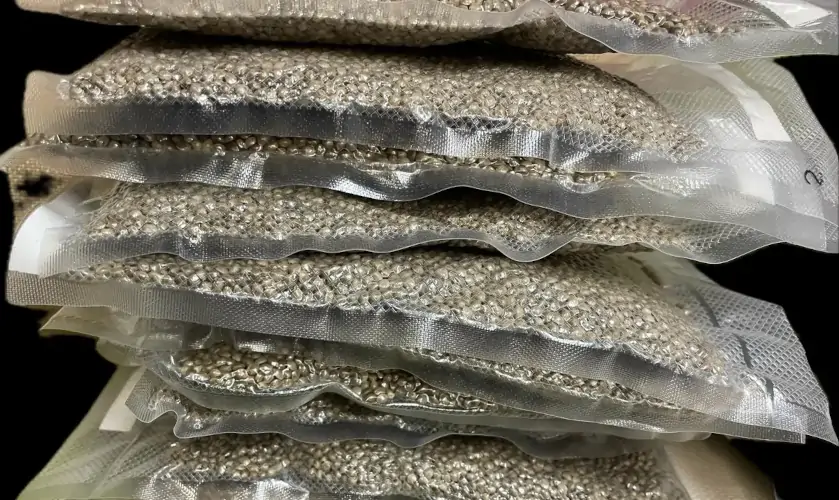
Germination success also depends on how you store the seeds. Keep them in a cool, dark, dry place. A refrigerator works well for long-term storage, but make sure they are sealed in an airtight container with a desiccant packet. Seeds are living embryos; they can lose viability quickly if exposed to heat or moisture. When you receive a large order of wholesale marijuana seeds, take the time to store them properly. It is a small step that protects your investment.
Matching Genetics to Your Growing Environment
Your choice of genetics should be driven by your specific environment and goals. Cannabis sativa strains tend to grow tall and lanky, with long flowering times. They are better suited to outdoor grows in warm climates or to indoor setups with plenty of vertical space. Cannabis indica strains are shorter and bushier, with a faster flowering period. They are ideal for indoor grows or for growers who want a quicker turnaround. Many modern cultivars are hybrids that blend traits from both species, offering a balance of growth habit, potency, and aroma.
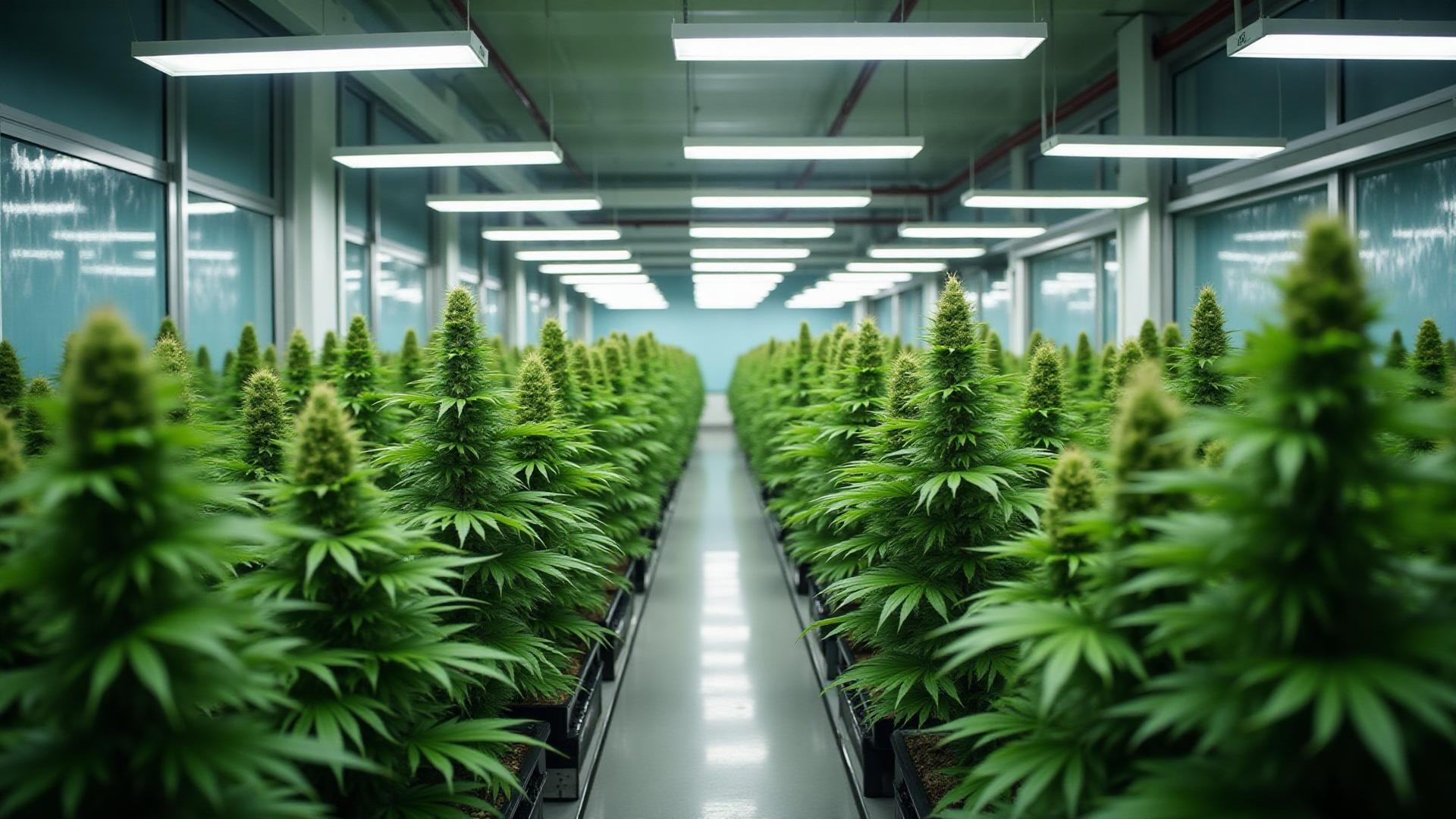
If you are using hydroponics, you have the ability to control nutrient delivery precisely. That opens up possibilities for high-yielding cultivars that would be difficult to grow in organic soil. On the other hand, organic soil growers often prefer cultivars that have been bred for flavor and terpene complexity, because the soil microbiome can enhance those characteristics. I have grown the same cultivar in both hydroponics and organic soil, and the difference in terpene profile was striking. The organic plants had a richer, more nuanced aroma, while the hydroponic plants produced larger yields. There is no right answer; it depends on what you value more.
Greenhouse growing offers a middle ground. You get natural sunlight, which many plants love, but you also have some protection from pests and weather extremes. In a greenhouse, you can run photoperiod strains on a natural light cycle or use blackout curtains to control flowering. This is a popular approach for growers who want premium flower without the energy costs of a fully indoor setup. The key is to choose cultivars that perform well under partial sunlight and that have good resistance to mold and mildew. Some of the best greenhouse strains I have seen are indica-dominant hybrids with thick stems and dense flower structures.
Practical Tips for Your First Wholesale Order
If you are ready to buy bulk seeds, here are a few things I have learned the hard way:
- Start with a small trial order before committing to a large purchase. Even the most reputable seed bank can have a batch that does not meet expectations. Test a single cultivar in your environment first.
- Ask about the seed bank's policy on returns or replacements for low germination rates. A good supplier will stand behind their product.
- Look for a supplier that offers worldwide delivery. That is a sign they are experienced with international shipping regulations and can get your seeds to you safely.
- Check that the seeds are properly packaged and labeled. Each batch should include the cultivar name, seed type, and the date of harvest or packaging.
- Read reviews from other growers who have used the same supplier. Pay attention to comments about germination rates, genetic consistency, and customer service.
Balancing Cost and Quality
There is a temptation to buy the cheapest bulk seeds you can find. I have been there. It almost never works out. Cheap seeds often come from unstable genetics, which means you will see a wide range of phenotypes within the same batch. Some plants may be tall, some short, some produce high THC, others low. That variability makes it nearly impossible to plan your harvest or to produce a consistent product. Spending a little more on seeds from a trusted seed bank with a proven track record pays off in the long run. Look for a supplier that provides detailed information about the genetics, including the THC and CBD content, the terpene profile, and the expected flowering time. That level of transparency is a good sign that they know what they are doing.
Another factor to consider is the legal landscape. Cannabis laws vary widely from country to country and even from state to state. Before placing an order for wholesale marijuana seeds, make sure you understand the regulations in your location. Some jurisdictions require a license to import seeds, while others have restrictions on certain cultivars. A reputable seed bank that offers worldwide delivery will usually have information about shipping restrictions on their website. Do your homework before you order so you do not end up with a shipment that gets seized at customs.
Looking Ahead: Trends in Cannabis Genetics
The cannabis industry is moving fast. Breeders are constantly developing new cultivars with higher THC, more balanced CBD, and unique terpene profiles. Some are even breeding for specific traits like resistance to powdery mildew or faster flowering times. Autoflowering seeds have improved dramatically in the last five years, and I expect that trend to continue. For growers who want to maximize efficiency, autoflowers are becoming a more viable option for commercial production. At the same time, photoperiod strains remain the choice for those who want the highest possible quality and the most control over the growing process.
If you are serious about cannabis cultivation, building a relationship with a reliable supplier of wholesale marijuana seeds is one of the smartest investments you can make. It gives you access to consistent genetics, better pricing, and the flexibility to experiment with new cultivars. Whether you are growing in organic soil, hydroponics, a greenhouse, or an indoor grow, the seeds you choose will determine the ceiling of your success. Take the time to find a seed bank that values quality as much as you do, and your plants will thank you.
❧